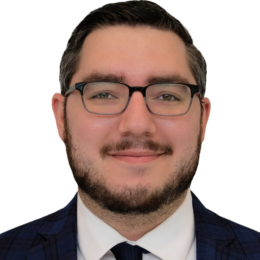
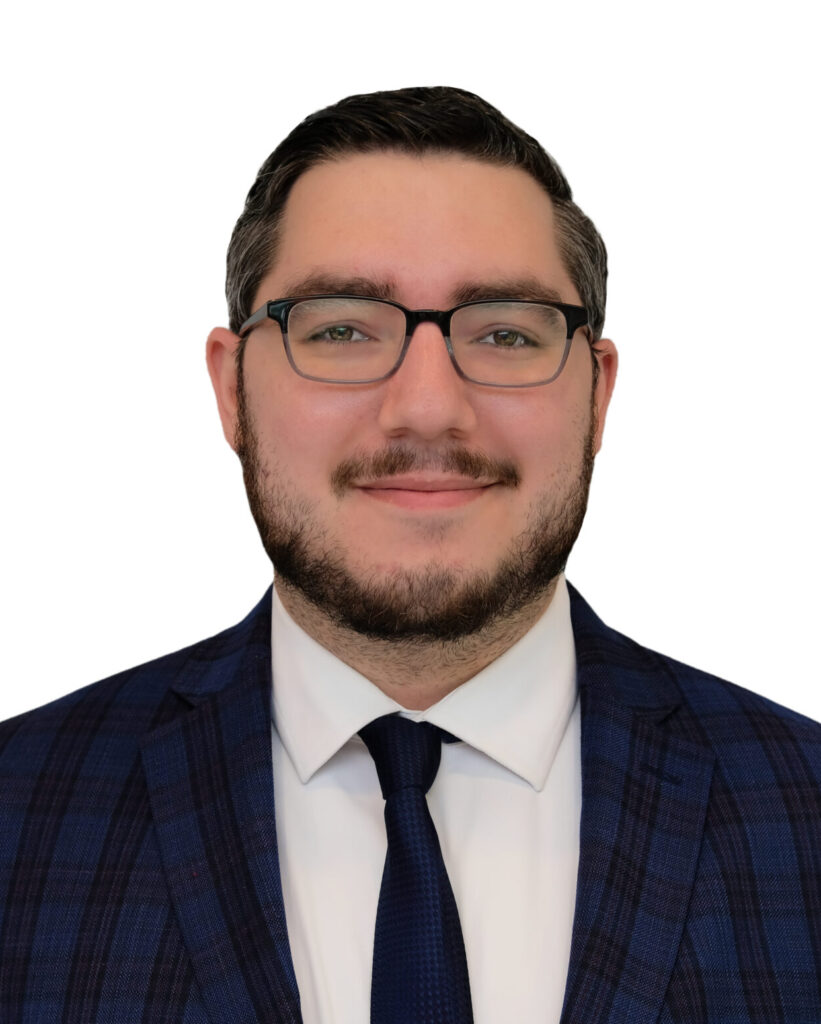
Alexander Raikin
Visiting Fellow
Alexander Raikin is a Visiting Fellow in the Bioethics, Technology and Human Flourishing Program at the Ethics and Public Policy Center. His research focuses on the dignity of human life and end-of-life issues, especially on its impact on the field of medicine and broader ethical questions of social belonging.
Alexander Raikin is a Visiting Fellow in the Bioethics, Technology and Human Flourishing Program at the Ethics and Public Policy Center. His research focuses on the dignity of human life and end-of-life issues, especially on its impact on the field of medicine and broader ethical questions of social belonging.
For tips, please send an email to [email protected].
His writing has been widely cited in major publications such as The Atlantic and the New York Times and in academic journals in the United States, Canada, UK, and France. He wrote cover stories for National Review and The New Atlantis, while his other bylines include City Journal, Plough, and the Washington Free Beacon. Raikin frequently speaks on national radio and on major podcasts.
Last year, Raikin was an inaugural Richard John Neuhaus Fellow at the Public Interest Fellowship and EPPC. He was a Tikvah Summer Fellow and a Killam scholar with Fulbright at American University. He graduated from Carleton University with a bachelor’s degree in public policy. Raikin is a proud member of Kesher Israel synagogue and lives with his wife in Washington, D.C.
EPPC Scholars Encourage CMS to Ensure Hospices Aren’t Promoting Assisted Suicide with Federal Funds
Aaron Kheriaty, Alexander Raikin, Eric Kniffin, Jamie Bryan Hall, Rachel N. Morrison
On June 1, 2026, EPPC Scholars across three EPPC programs—the Administrative State Accountability Project, the Bioethics, Technology, and Human Flourishing…
Public Comments
PDF / June 2, 2026
Being Jewish After Peter Beinart
Alexander Raikin
Peter Beinart is running out of friends. It has been a year since the City College of New York professor…
Articles
Providence Magazine / April 27, 2026
Just Have More Babies
Alexander Raikin
On a Thursday afternoon, on a trip to a shared workspace in Jerusalem above its central bus station, I heard something…
Articles
National Review / February 19, 2026
The Sad Reality of Assisted-Suicide Regimes
Alexander Raikin
Lawmakers may not have intended for anorexic patients to die under MAID. But to suggest it isn’t happening is hopelessly naive.
Articles
The Wall Street Journal / January 7, 2026
The Myth of a Safe Assisted-Suicide Regime
Alexander Raikin
In at least Oregon, California and Colorado, patients with eating disorders have already qualified and died through assisted suicide, writes Alexander Raikin.
Articles
The Wall Street Journal / December 23, 2025
Practitioners of Infanticide
Alexander Raikin
A physician declares his dying patient—a seven-pound baby boy—“dangerous as dynamite,” a “menace to society.” A routine medical procedure could…
Articles
First Things / December 12, 2025
Medical Assistance in Dying was supposed to have stringent safeguards—what happened?
Alexander Raikin
MAiD has gone far further, far faster than was promised
Articles
The Hub / October 10, 2025
In Contrast to Carter
Alexander Raikin
Canadians with disabilities are disproportionately dying by MAiD despite official reassurances about strict safeguards.
Articles
Cardus / September 16, 2025
How America abandoned its suicide safeguards
Alexander Raikin
Key protections are being ignored
Articles
UnHerd / August 28, 2025
Canada’s MAID regime: cautionary tale or template?
Alexander Raikin
A spectre is haunting the global debate on euthanasia: Canada. On the same day that the New York State Legislature…
Articles
The Hub / June 26, 2025